
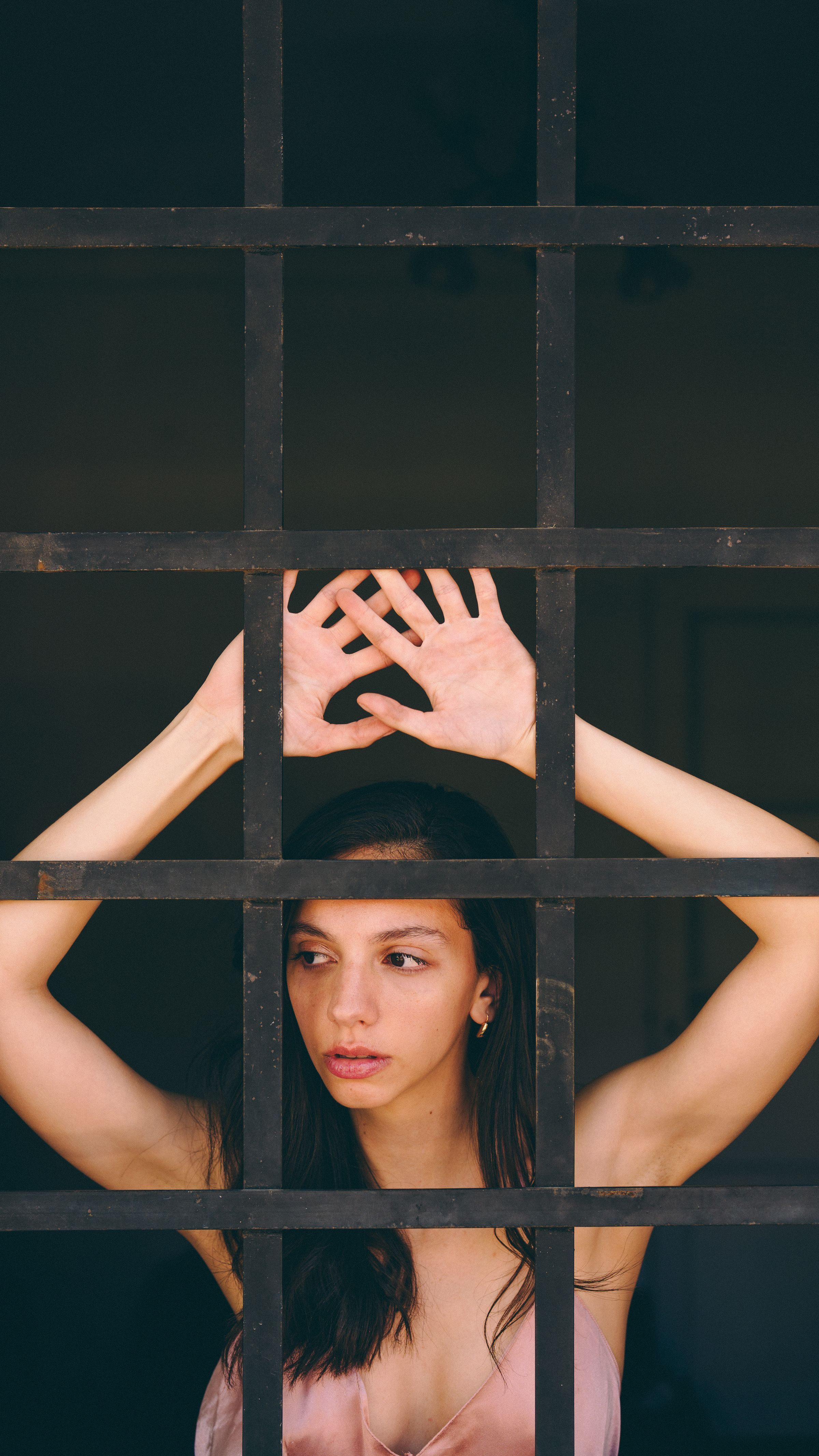
Confinement in BDSM: restriction and surrender
Confinement in BDSM is physical restriction, vulnerability, and deep surrender, with full care for safety, a safeword, RACK, and loving aftercare.

Glossary
One of the oldest Latin loanwords in Dutch, that only in this century came to mean something voluntary.
Kerker is the Dutch word for a dungeon: a room fitted out to play in. Outside the scene, kerker simply means prison cell, and that’s the older meaning too. Whoever picks the word picks the prison association along with it; whoever doesn’t want that says playroom.
| English term | Dungeon, the word most common in the scene itself |
| Also known as | dungeon, and playroom for anyone who’d rather avoid the heaviest word |
| Origin of the word | Latin carcer, “prison”; recorded in Dutch from 1220 |
| Oldest meaning | the cell in a castle or city gate, usually a floor below ground |
| Category | play space within BDSM |
| Not to be confused with | the cage: that’s the object someone sits in, not the room around it |
Out of Latin, and early. The Etymologisch Woordenboek van het Nederlands traces kerker back to the Latin carcer, “prison”, and records the oldest Dutch attestation between 1220 and 1240: dar hiet hine in dien kerker duon. It’s an early borrowing, because Old Saxon (karkari) and Gothic (karkara) knew the word already. Along the way the a before r plus a guttural became an e, the same pattern as in merk.
What stands out is the meaning. It hasn’t shifted in eight hundred years: from 1220 to well into the twentieth century a kerker was a place you sat because someone else had decided it, and not because you had agreed to it yourself.
A cell in a cellar. The Dutch-language encyclopedia describes kerkers as rooms in castles, strongholds, fortresses and city gates, usually on the cellar floor, and usually cold, damp and dark. Only from the Renaissance did actual prisons and houses of detention appear alongside them. The worst variant was called a vergeetput or oubliette: an underground kerker where the condemned were left to their fate.
The same room, a different register. Anyone renting or advertising a space almost always uses dungeon, and that page sets out what such a room should have and how renting works. Kerker I mostly hear in conversation, and then almost always from people who want the image with it: the stairs going down, the idea of being put away. That’s exactly the difference. Dungeon describes the fit-out, kerker describes the feeling someone is after.
Handy to know, because it helps when you search. Landlords in the Netherlands put their space online under the English word, so anyone searching for “kerker huren” mostly finds medieval castles.
I don’t have a kerker myself; I come to you, or we rent something for the occasion. The page about the BDSM date sets out how we make that choice, and what a room does or doesn’t make possible.
Frequently asked questions
In BDSM a kerker is the Dutch word for a room fitted out to play in. Outside that, kerker means a prison cell, and that meaning is eight hundred years older. The word comes from the Latin carcer and has been in Dutch since about 1220.
Victor, a gigolo with twenty-five years of experience in BDSM and a background as a psychotherapist. He has no play space of his own, but knows the offering in the Netherlands and thinks along about what fits your plan. Ask your question with no obligation through the contact form or first chat for free.
Blog
The word kerker turns on being locked away. These articles are about what confinement does to you, and about the rooms you can rent for it in the Netherlands.
Confinement in BDSM is physical restriction, vulnerability, and deep surrender, with full care for safety, a safeword, RACK, and loving aftercare.
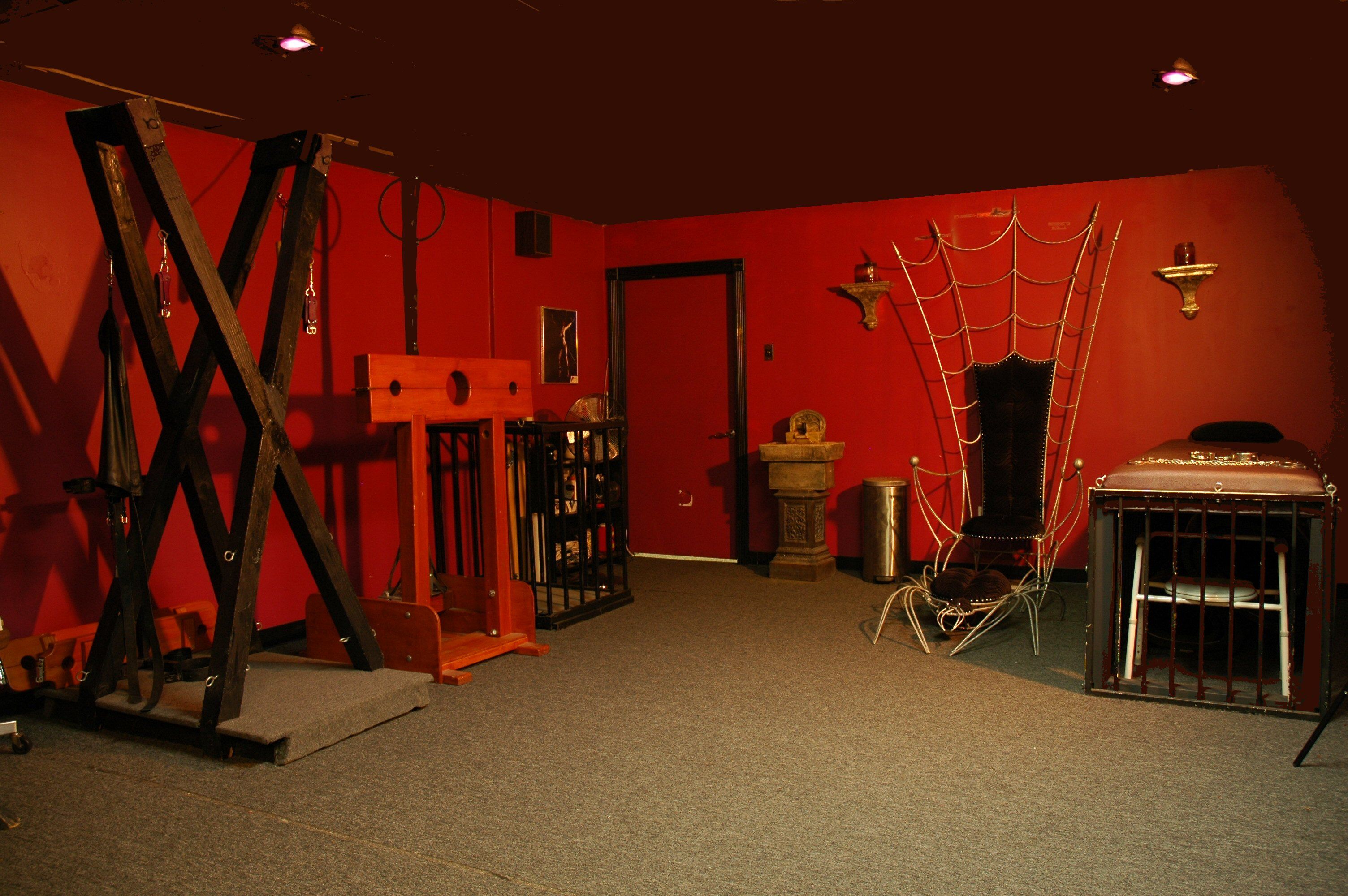
BDSM rooms and SM play spaces for rent across the Netherlands, Belgium, France and Germany: SM cottages, SM B&Bs, setup, prices and what to check.
Learn more
I'm Victor. Where you play decides a lot, and I'm glad to think that choice through with you, even if you haven't decided anything yet. No obligation, I'll message you back at your ease.
A woman or a couple? Lovely that you are here, I would love to speak with you.